
Column
 18.04.2026
18.04.2026
Existing system protection is not obsolete
Why older hold-open systems do not automatically belong on the scrap heap.
Manufacturers and sales organisations repeatedly contact existing customers and tell them that their hold-open system is no longer approved and must be completely replaced. Put that broadly, this is simply wrong.
If a system continues to operate unchanged in an existing building, existing system protection generally applies first. It only becomes critical when relevant assemblies are modified or when the function of the system changes. That is the real distinction: not every spare part is automatically inadmissible, but not every modernisation is harmless either.
A useful comparison is the historic registration of a classic car. If you preserve a historic vehicle, you cannot replace everything at will. A period-correct radio may be unproblematic. A modern component from a completely different generation may mean that the original classification no longer holds. Hold-open systems are similar: replacing one component is not the same as rebuilding the technical logic of the whole system.
Many operators come under pressure at exactly this point. A detector is no longer available, documentation is incomplete, some letter creates panic, and suddenly a complete replacement appears unavoidable. In practice, that is often not true. There are ways to assess properly whether existing systems can continue to operate, be repaired with reasonable effort, or be adapted with proportion and care.
The key is communication with the right parties: building authorities, approval bodies, fire safety planners, assessment specialists and insurers. Anyone who communicates early, openly and with technical clarity will usually find solutions that are far more reasonable than a reflexive six-figure replacement.
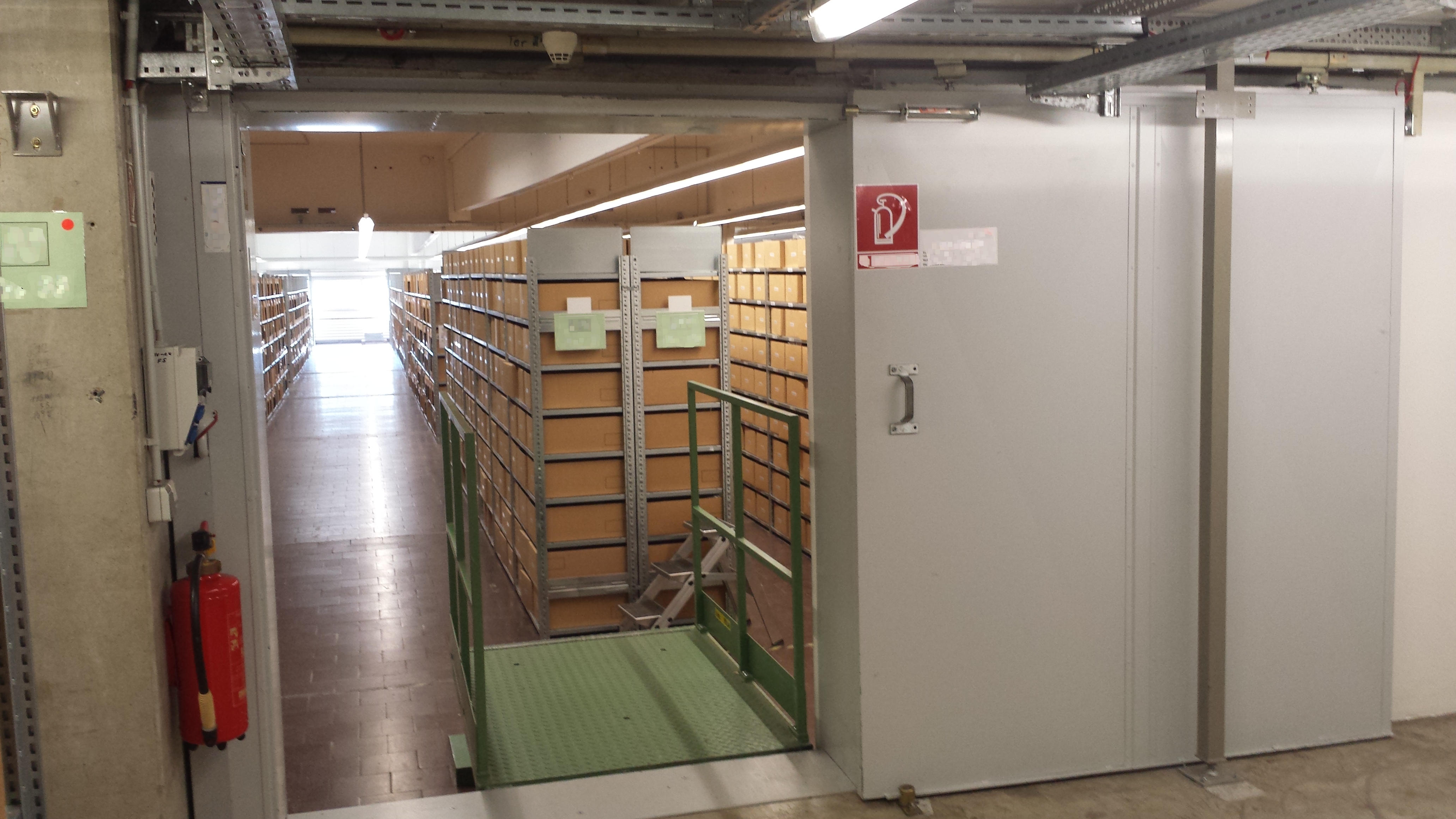
Another critical point is a change of function. If an opening originally intended for people later has to accommodate conveyor technology, the situation changes fundamentally. Personal protection and conveyor applications follow different approval paths and control logic. Such combinations must be assessed clearly and not romanticised. Yet even here, alarmism is not the answer. Differentiation is.
In short: just because one component disappears from the market does not mean the entire system has to go. Those who understand existing system protection can argue cleanly, think economically and still remain on solid ground in terms of fire safety.